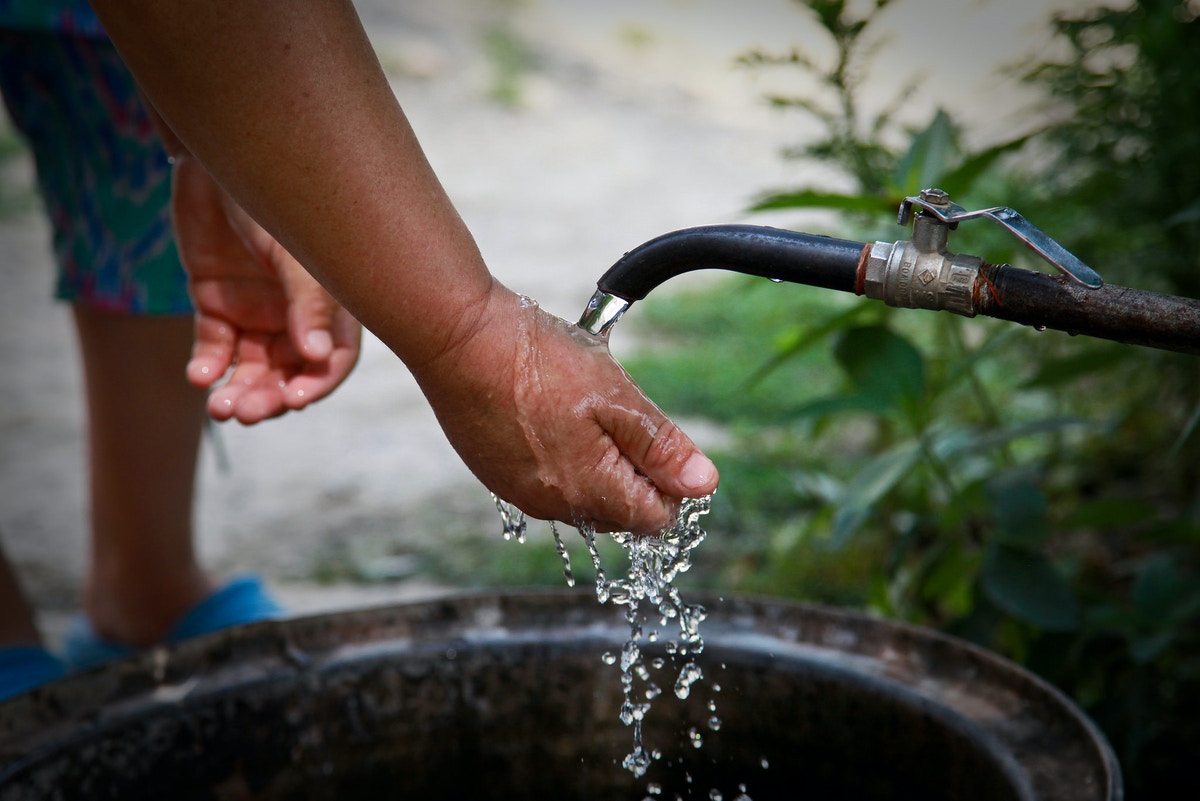
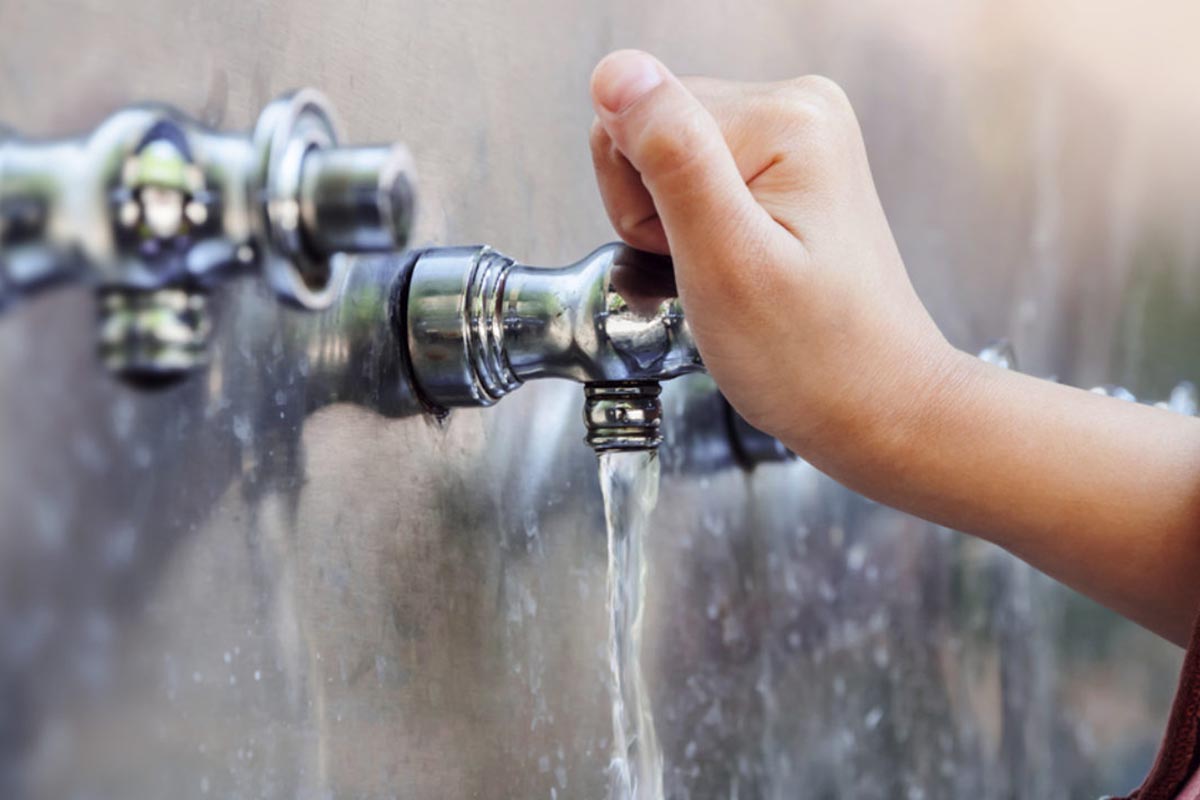
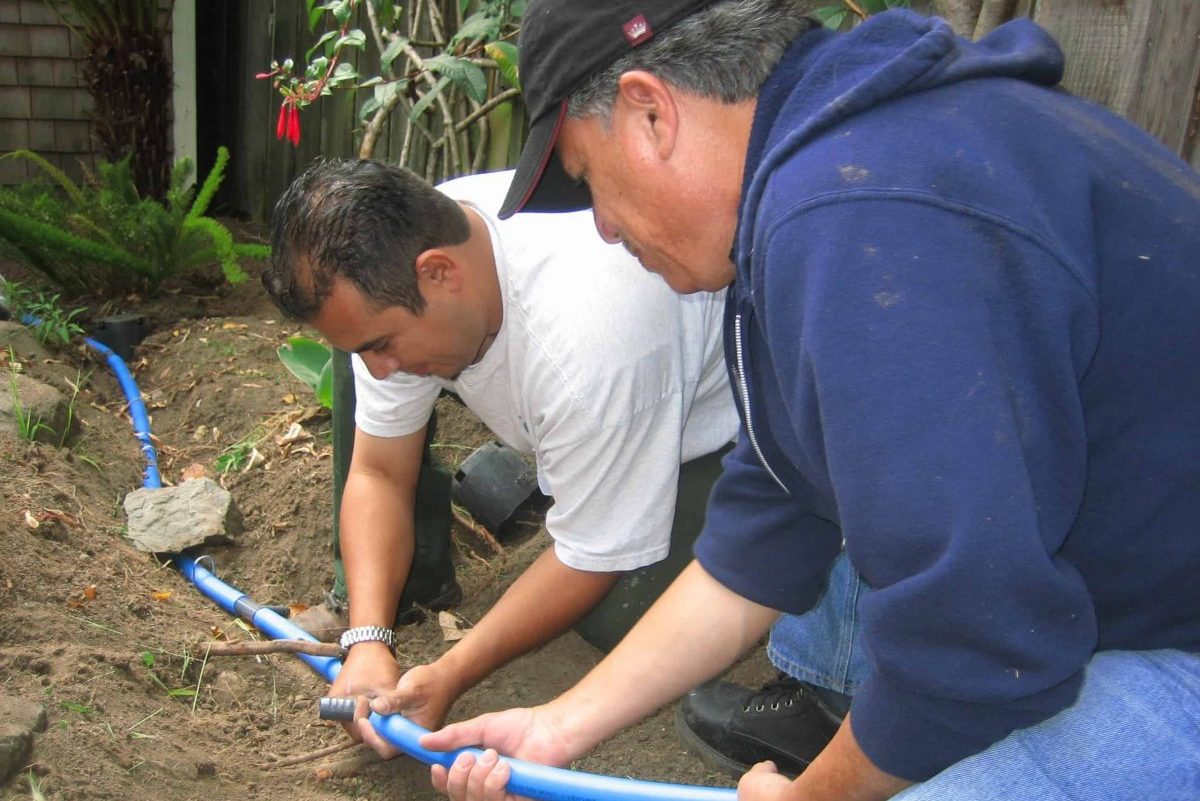
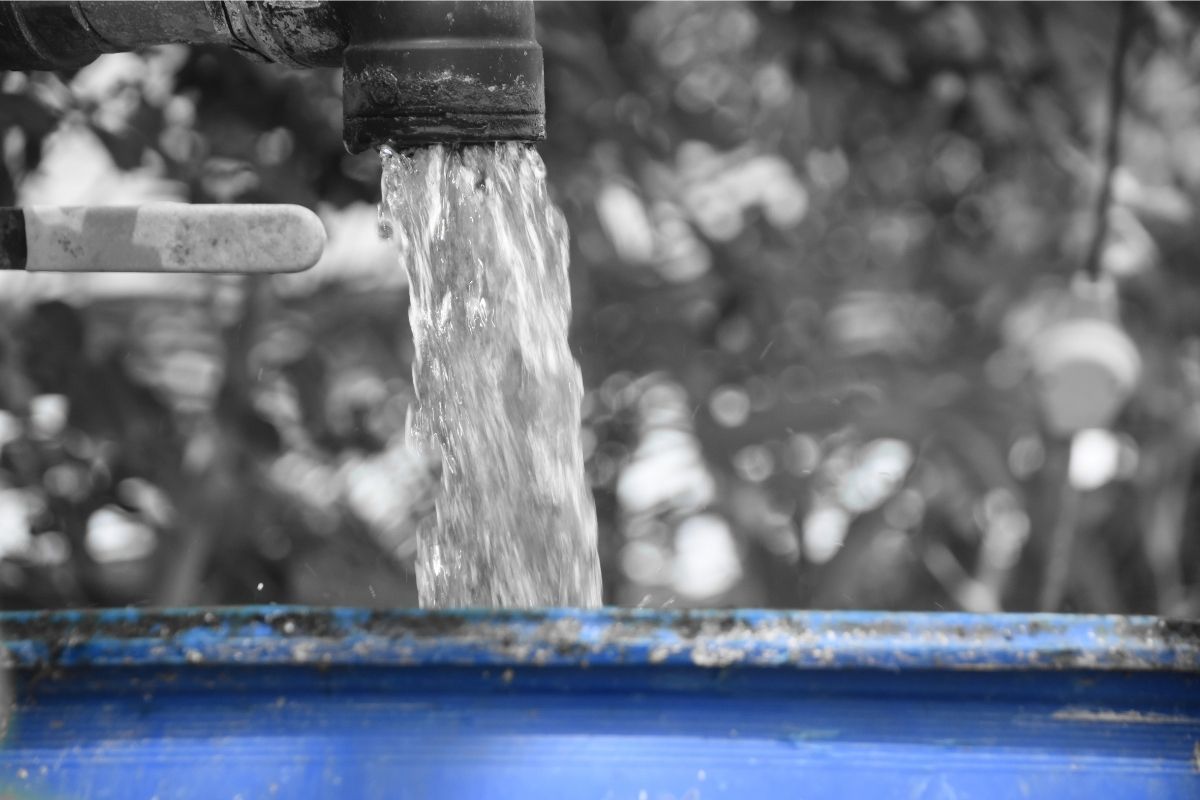
We all agree that Desalination has been a life-saver, especially in areas without safe water. These salty waters are made fit for consumption through reverse osmosis or thermal desalination. However, there’s a dark side to this process. Here are five disadvantages of desalination that you probably never knew.
1. Health Hazards
You must have heard countless times that desalination involves a purification process before being consumed. While that is true, some chemicals used in the purification process can easily seep into the purified water. These chemicals can damage your plumbing pipes, and in turn, release by-products of the poisonous chemicals into your water. In this case, drinking desalinated water can be very …

About Us
We believe that water is a fundamental right for every human on this Earth.
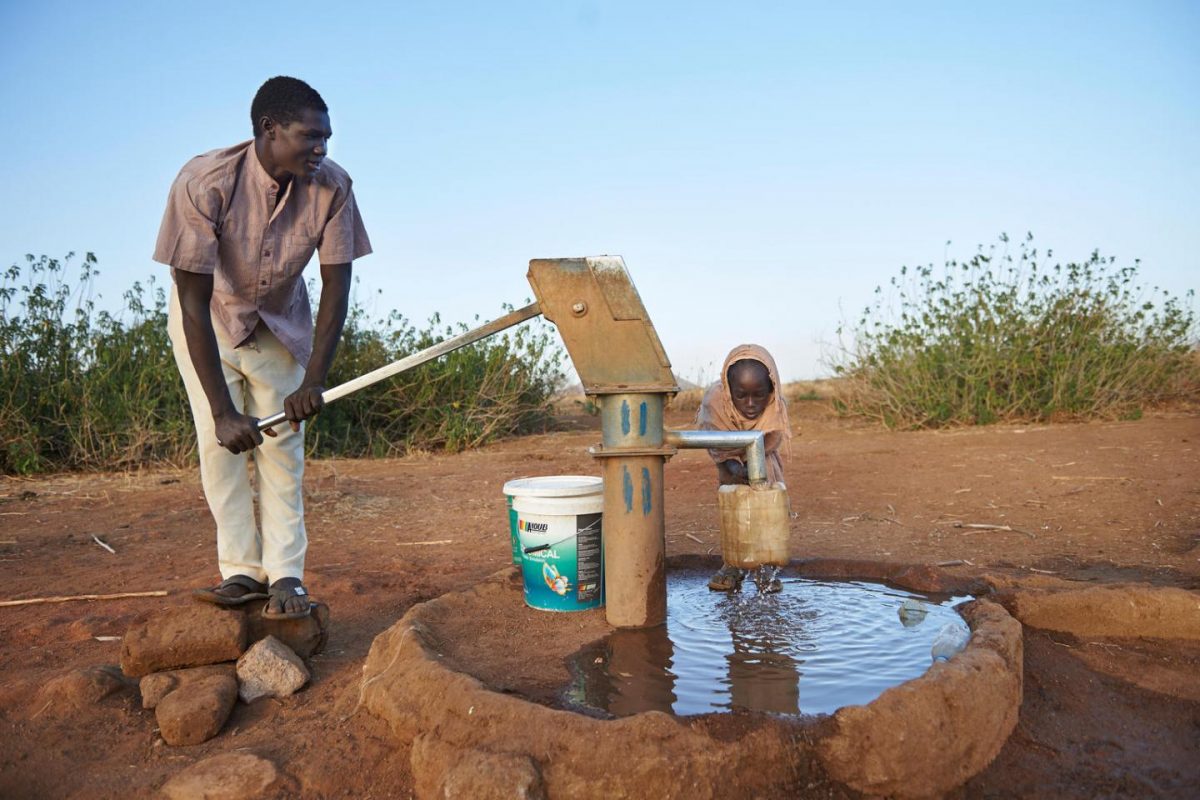
This is why we, at Stepping Up Water, take it upon ourselves to take the initiative and support any campaigns that align with our cause – which is to help make clean, safe, and potable water accessible and available for use to different parts of the world, especially developing countries.
What We Do
Our Services
The Water Crisis
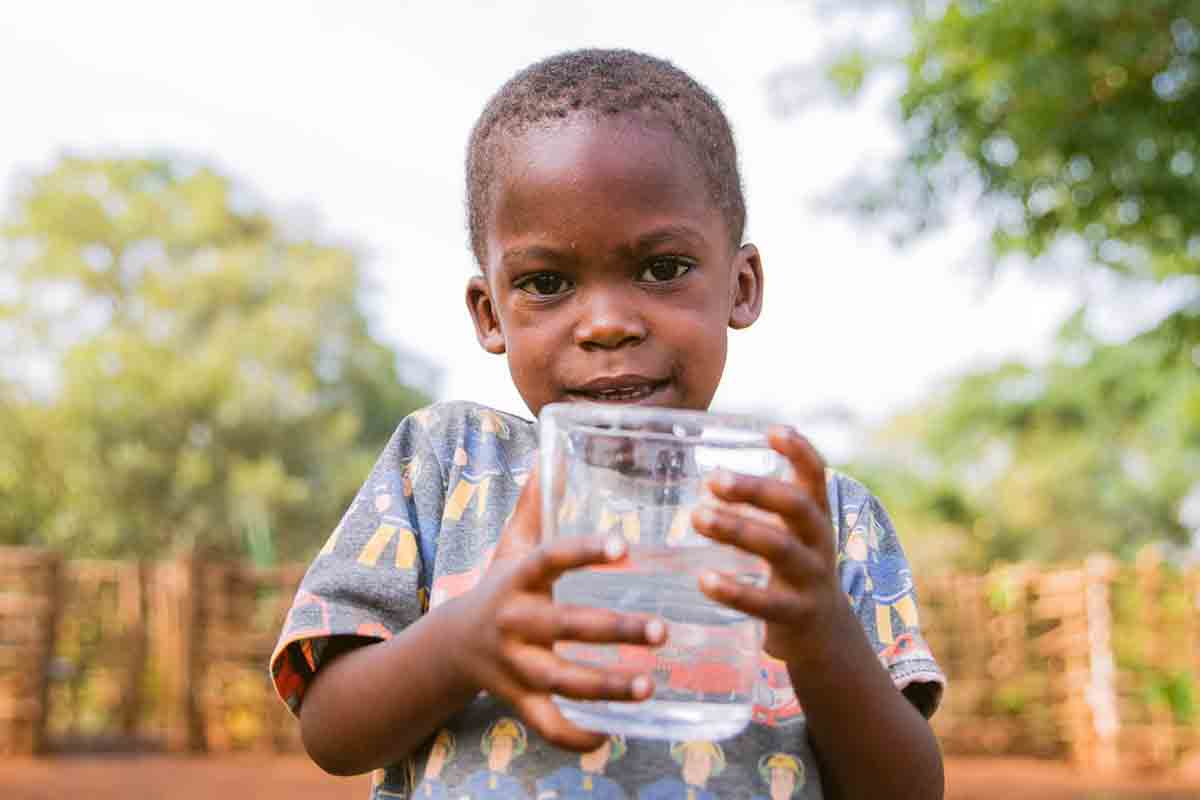
Water binds all aspects of existence together. Access to clean water and sanitation may rapidly transform difficulties into opportunities, freeing up people’s time for education and work and contributing to global health improvements for women, children, and families.
Water in Developing Countries
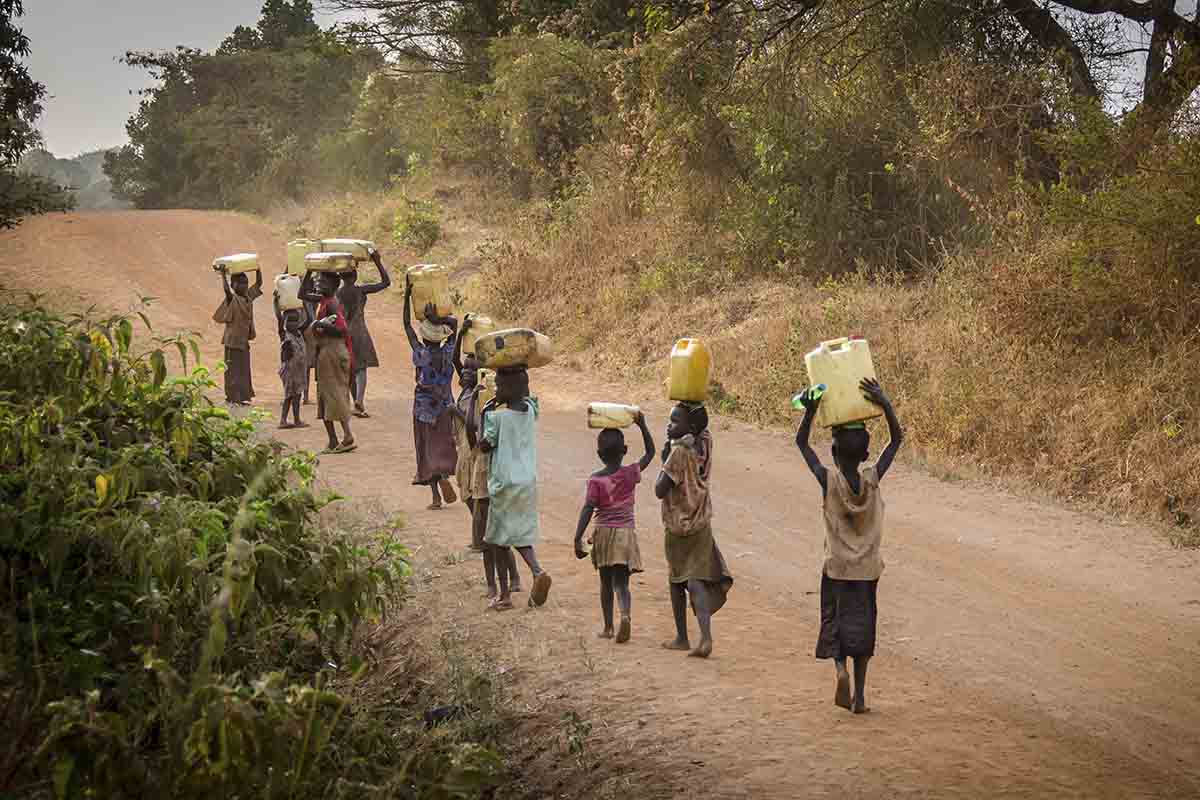
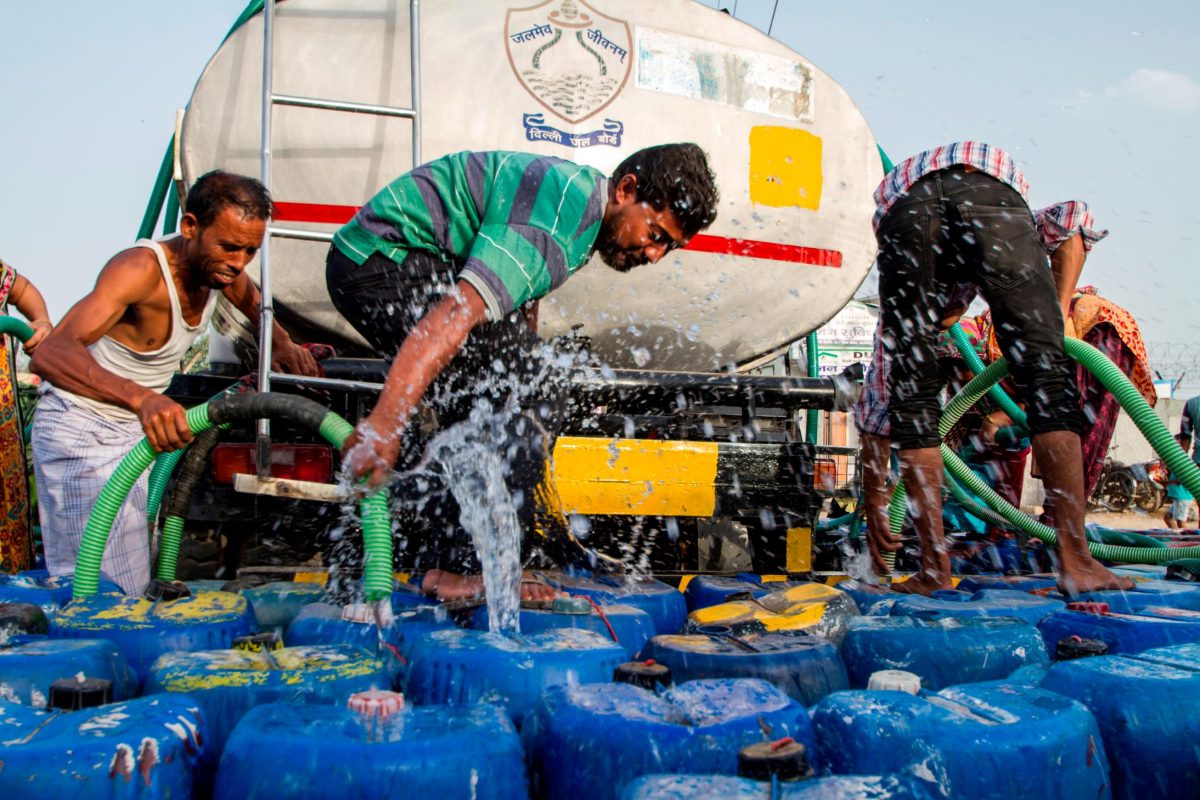
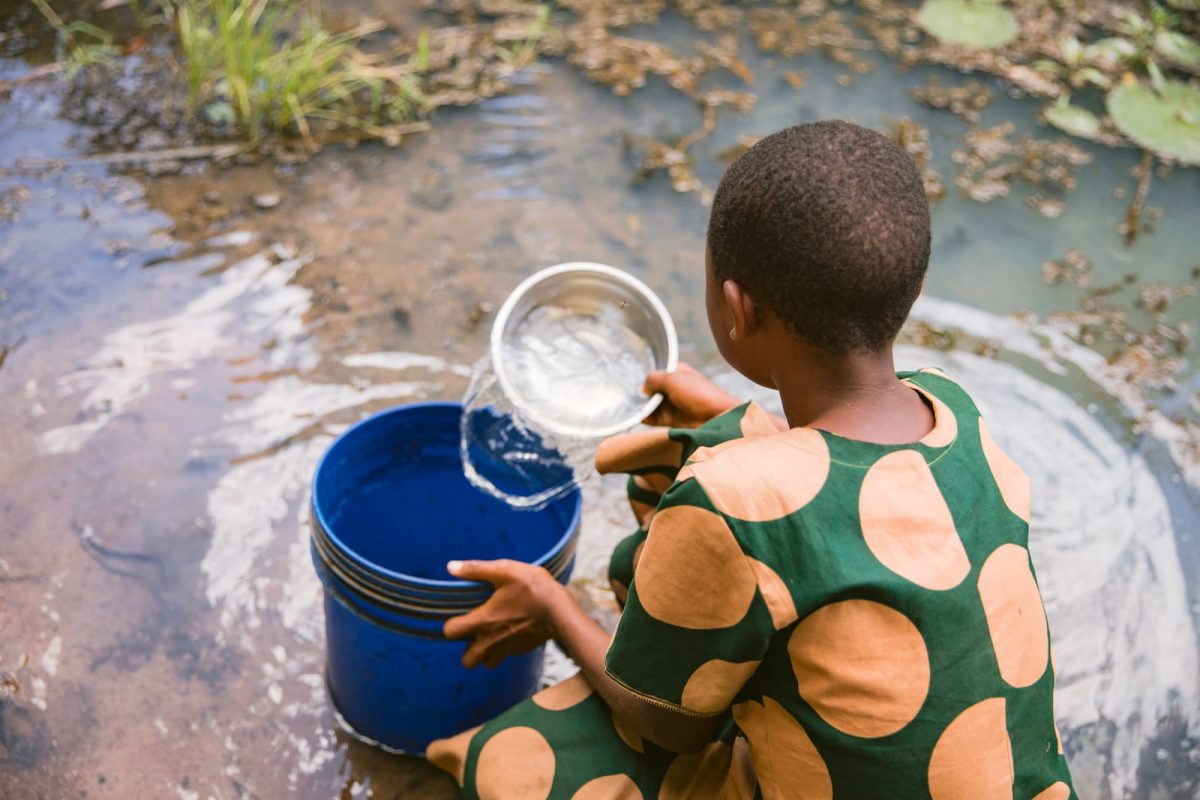
Clean water ought to be a human right, but as of late, it remains to be a privilege, with over 40% of the world’s population without access to it. In fact, it was projected by UN Water that by 2025, the number of people suffering from this scarcity would rise up to 1.8 billion.
Solutions
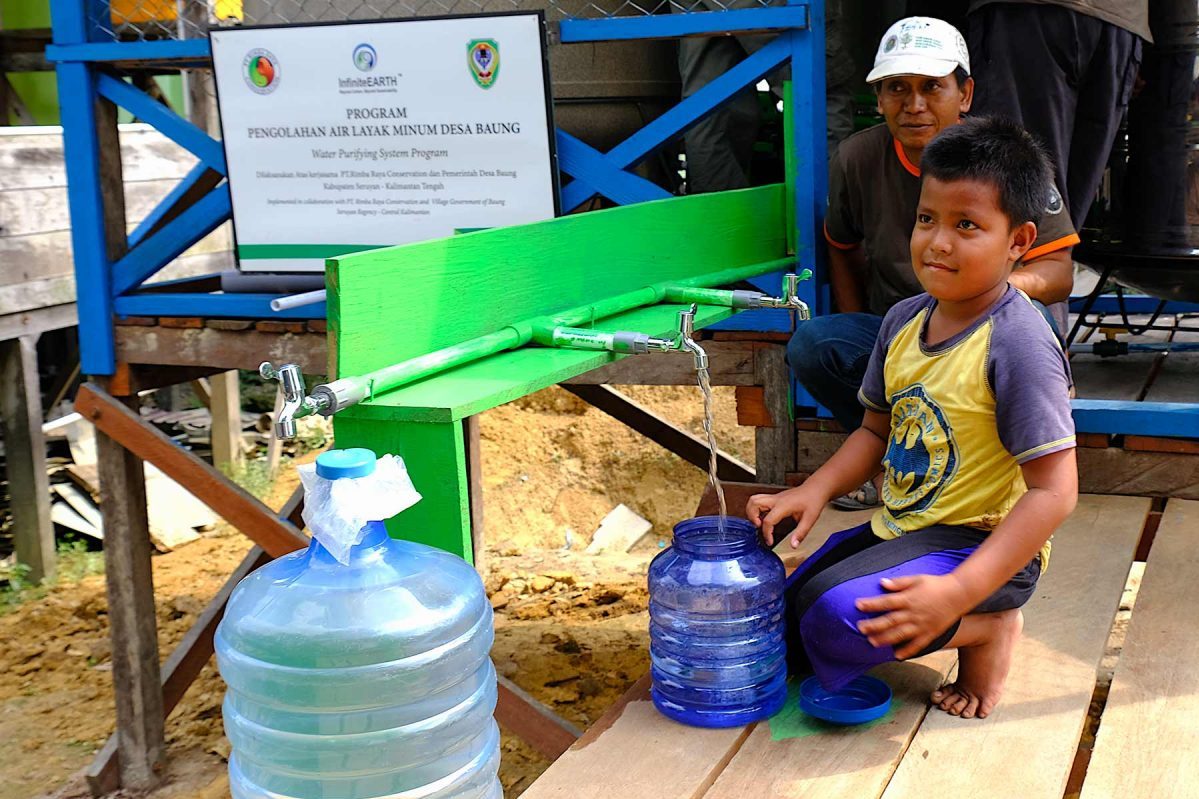
Our one-of-a-kind solutions are motivated by market trends and economic demands and tailored to our main countries in Asia, Africa, and the Americas where we operate. We have more than a few decades of combined expertise and knowledge to draw on.
Our advocacy and movement on providing clean water and sanitary solutions to people all around the globe are making a difference.
Our Impact
Recent Articles
Our Ways & News
Five Disadvantages of Desalination
5 Sustainable Clean Water Solutions to The Water Crisis in Africa
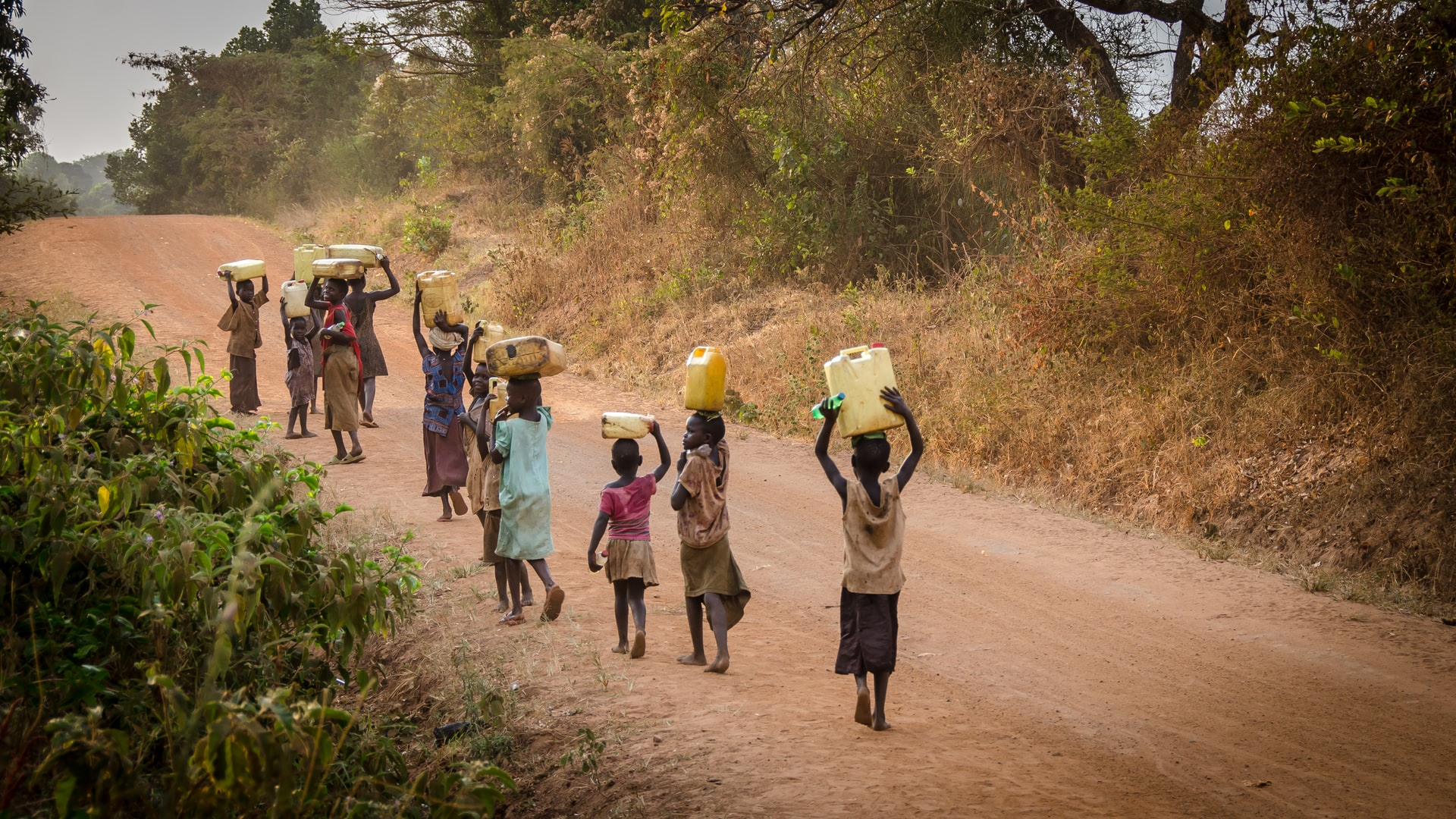
There are a lot of epidemics going on in Africa. While poverty is at the forefront of these problems, there seems to be another which is prevalent but mostly overlooked. This is the lack and access to clean water in Africa. Poverty might not be easily eliminated, but the water crisis in Africa is a solvable issue. Here are five sustainable clean water solutions to the water crisis in Africa.
1. Desalination
Since most African countries are surrounded by salty bodies of water that are not consumable, desalination to solve the global water crisis is the…